As an integrative family medicine practitioner, I'm often asked about how intravenous (IV) therapies can support patients undergoing conventional cancer treatments like chemotherapy and radiation. The goal of these therapies is not to replace standard oncology care, but to work alongside it, potentially enhancing efficacy, mitigating side effects, and improving overall quality of life.
Here, we explore three of the most studied and utilized IV therapies in the integrative oncology setting: High-Dose Vitamin C, IV Ozone, and IV Mistletoe.
In the realm of integrative oncology, IV therapies offer a compelling avenue for supportive care, working synergistically with conventional cancer treatments to optimize patient outcomes. This blog will focus on three key intravenous treatments: High-Dose Vitamin C, which acts as a powerful pro-oxidant to selectively target cancer cells; IV Ozone, which utilizes controlled oxidative stress to modulate the immune system and enhance antioxidant defense; and IV Mistletoe, a standard adjunctive treatment in European oncology known for its immune-stimulating and quality-of-life benefits. Understanding the distinct mechanisms of these therapies allows us to offer truly comprehensive, whole-person care for our patients.
High-Dose Intravenous Vitamin C (IVC)
A common misconception is that high-dose IV Vitamin C acts purely as an antioxidant in the body. At the millimolar concentrations achieved only through intravenous administration—concentrations unreachable via oral supplements—Vitamin C actually shifts its role to become a pro-oxidant agent.
Mechanism of Action: The Pro-Oxidant Effect
- Hydrogen Peroxide (H202) Generation: When pharmacological doses of ascorbate (Vitamin C) are introduced intravenously, they react with transition metal ions (like iron or copper) in the extracellular fluid. This reaction generates significant amounts of hydrogen peroxide, a reactive oxygen species (ROS).
- Selective Cytotoxicity: Normal, healthy cells have high levels of antioxidant enzymes, such as catalase and glutathione peroxidase, which quickly neutralize the H202, protecting the cell. Many cancer cells, however, are deficient in these key antioxidant enzymes. The high levels of H202 flood the cancer cells, leading to oxidative stress, damage to DNA and mitochondria, and ultimately, programmed cell death (apoptosis).
Supporting Data and Use in Oncology
- Synergy with Conventional Treatment: Studies suggest IVC can work synergistically with chemotherapy and radiation, making cancer cells more vulnerable to conventional treatments. For instance, in vitro and animal models have shown enhanced cell death when IVC is combined with drugs like gemcitabine or radiation in various cancer cell lines.
- Reduced Side Effects and Improved Quality of Life: Clinical studies have reported that IVC, when used adjunctively, may help reduce cancer- and treatment-related toxicities and fatigue, leading to a marked improvement in patients' quality of life.
Intravenous Ozone Therapy
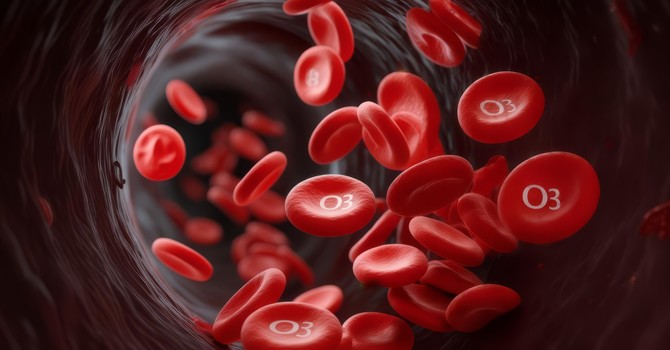
Medical ozone is a gas composed of three oxygen atoms. When introduced into the bloodstream (usually by drawing a patient's blood, mixing it with an ozone/oxygen mixture, and re-infusing it, often called major autohemotherapy), it triggers a cascade of biological responses.
Mechanism of Action: Controlled Oxidative Stress and Immune Modulation
- Ozonides and H202 Formation: Ozone rapidly reacts with unsaturated fatty acids in the blood, forming chemical messengers known as ozonides and, crucially, a controlled amount of hydrogen peroxide (H202)
- Anticancer Effect (Controlled Oxidative Stress): Like high-dose Vitamin C, the resulting oxidative stress can be selectively toxic to cancer cells, which often have impaired antioxidant defense systems.
- Activation of Defense Systems: The moderate oxidative stress from the ozone-blood mixture activates the body's natural defense pathways, such as the Nrf2 transcription factor. This activation boosts the production of the body's own antioxidant enzymes (like glutathione, catalase, and H202), strengthening the patient's capacity to cope with the oxidative burden of both the cancer and conventional treatments.
- Immune and Circulation Support: Ozone modulates the immune system, potentially boosting anti-tumor responses. It also improves circulation and oxygen delivery to tissues, which can be beneficial in the hypoxic environment of tumors.
Supporting Data and Use in Oncology
- IV Ozone is often used to enhance the effect of chemotherapy while simultaneously reducing side effects like nausea, vomiting, and fatigue.
- Preclinical research and case studies suggest it can inhibit cancer cell growth and support immune function.
Intravenous Mistletoe (Viscum album, mali and pini)
Mistletoe extract therapy is one of the most widely used and studied complementary cancer treatments, particularly in Europe.
Common Medical Practice in Europe (Especially Germany) Mistletoe extracts (Viscum album, mali and pini) are approved for subcutaneous and sometimes intravenous use in Germany and other European countries. It is one of the most frequently prescribed complementary medicines for cancer patients. Mistletoe therapy is primarily used:
- Adjuvantly and Palliatively: To complement conventional treatments and for supportive care in palliative settings.
- To Improve Quality of Life (QoL): A significant body of clinical evidence, including meta-analyses, supports its use in reducing side effects from chemotherapy and radiation, such as fatigue, nausea, and depression, thereby improving the overall QoL.
- To Stimulate the Immune System: Its original indication is the stimulation of processes which impact malignant tumor diseases.
Mechanism of Action:
- Immunomodulation and Cytotoxicity The anticancer and supportive effects of mistletoe are attributed to its active compounds, primarily mistletoe lectins and viscotoxins.
- Direct Cytotoxicity (Apoptosis): Mistletoe lectins are ribosome-inactivating proteins that inhibit protein synthesis in cancer cells, inducing programmed cell death (apoptosis). Viscotoxins are small proteins with cell-killing activity.
- Immunomodulation: Mistletoe extracts are powerful biological response modifiers. They can:
- Increase Natural Killer (NK) Cell Activity: These immune cells are vital for destroying tumor cells.
- Stimulate Cytokine Secretion: They encourage immune cells to produce signaling molecules (like IL-1, IL-6, TNF-alpha) that help coordinate the body's defense against cancer.
- Trigger Immunogenic Cell Death (ICD): Research suggests mistletoe can trigger a specific type of cell death that makes cancer cells more "visible" to the immune system.
Supporting Data and Use in Oncology
- Numerous studies, particularly from Europe, indicate a supportive effect on quality of life and tolerability of conventional treatments.
- Clinical data suggests that combining mistletoe therapy with chemotherapy may be associated with improved survival in certain cancers.
References
- High-Dose Intravenous Vitamin C:
- Chen Q, Espey MG, Krishna MC, et al. Pharmacologic ascorbic acid concentrations selectively kill cancer cells: Action as a pro-drug to deliver hydrogen peroxide to tissues. Proc Natl Acad Sci U S A. 2005;102(38):13604-13609.
- Paller CJ, Wilcox CP, Allen P, et al. Phase I Study of Intravenous Ascorbate in Combination with Gemcitabine and Erlotinib in Patients with Metastatic Pancreatic Cancer. Pharmacology. 2018;101(3-4):195-202.
- Intravenous Ozone Therapy:
- Bocci V, Borrelli E, Travagli F, Zanardi I. The ozone paradox: ozone is a strong oxidant as well as a medical drug. Med Res Rev. 2009;29(4):646-682.
- Elvis AM, Ekta JS. Ozone therapy: A clinical review. J Nat Sci Biol Med. 2011;2(1):66-70.
- Intravenous Mistletoe:
- Kienle GS, Glockmann A, Schürholz M, Kiene H. Use of Iscador, an extract of European mistletoe (Viscum album L.), in cancer treatment: A systematic literature review. Integr Cancer Ther. 2011;10(2):142-157.
- Ostermann T, Raabe V, Bussing A. Retrospective controlled cohort study in hospitalized cancer patients: shows that adding complementary mistletoe extract therapy is associated with better overall survival in non-small cell lung cancer. Respiration. 2014;87(3):210-219.

Jocelyn Cooper
Contact Me